
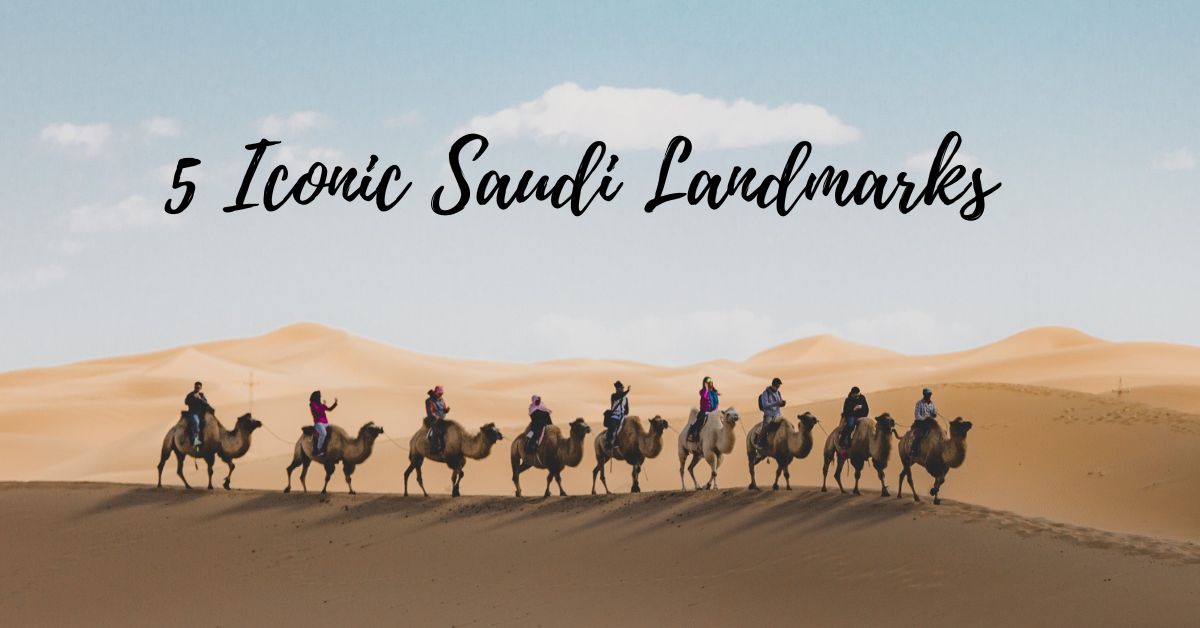
Saudi Arabia’s skyline and deserts are dotted with landmarks that tell stories of faith, trade, empires, and ambitious modern vision. This guide explores five of the most iconic sites—and answers the question: which landmark is truly the most famous?
Saudi landmarks at a glance
Saudi Arabia’s best‑known landmarks fall into two big groups: holy sites and heritage or modern icons. Masjid al‑Haram in Mecca and the Kaaba inside it are globally recognized as the spiritual heart of Islam, drawing millions of pilgrims every year and dominating any list of “most famous” Saudi landmarks. Alongside them stand historic cities like Al‑Hijr (Madain Salih), Diriyah, and Jeddah, plus dramatic desert formations at AlUla that position the Kingdom as a cultural‑tourism hub.

5 iconic Saudi landmarks
1. Masjid al‑Haram & the Kaaba: the most famous landmark
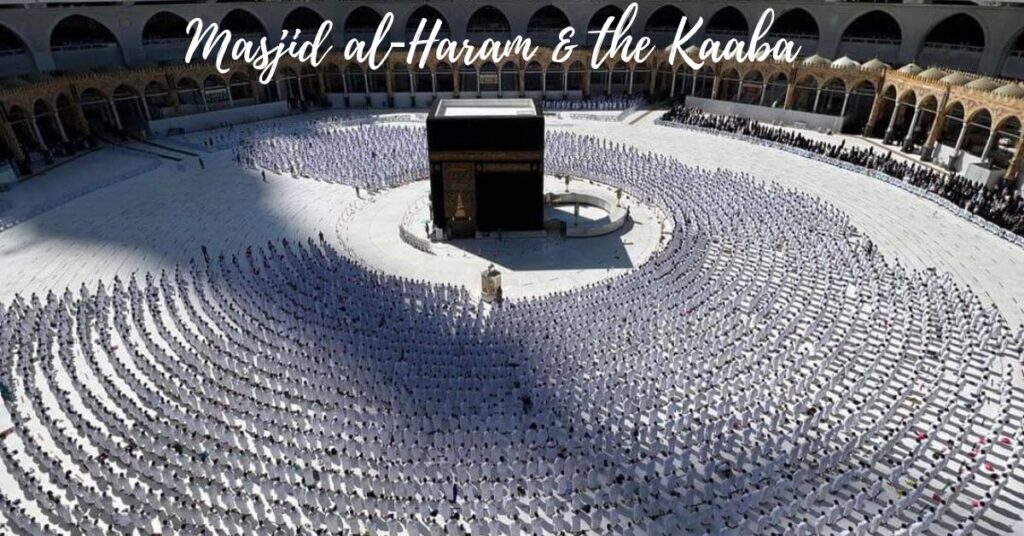
If one site defines Saudi Arabia in global consciousness, it is Masjid al‑Haram in Mecca, with the Kaaba at its center. This vast mosque is Islam’s holiest sanctuary and the destination for Hajj and Umrah pilgrimages that attract millions of worshippers every year from every continent. Images of the Kaaba surrounded by circular flows of pilgrims are among the most widely recognized religious visuals in the world.
The mosque complex has expanded repeatedly to accommodate growing numbers, featuring multilevel prayer areas, towering minarets, and advanced crowd‑management infrastructure while preserving the spiritual focus on the Kaaba. For many Muslims, visiting Masjid al‑Haram at least once in a lifetime is a core aspiration, which is why this landmark dominates rankings and travel searches related to Saudi Arabia.

2. Al‑Hijr (Madain Salih), AlUla: desert city of tombs
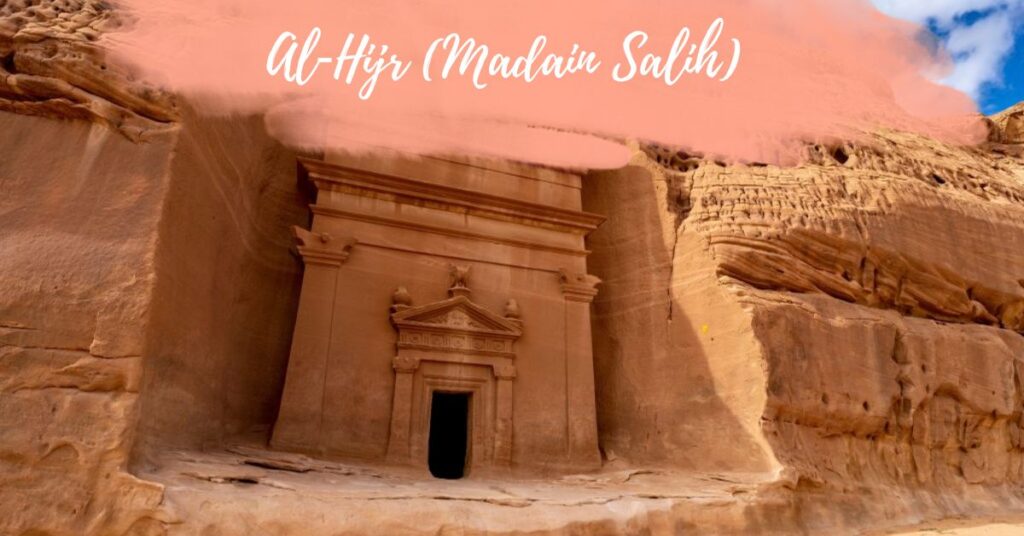
Al‑Hijr, also known as Madain Salih, is Saudi Arabia’s first UNESCO World Heritage Site and often described as the sister city to Petra in Jordan. The site preserves more than 100 monumental rock‑cut tombs carved into sandstone outcrops by the Nabataeans, showcasing ornate facades, inscriptions, and an advanced ancient water‑management system.
Located near AlUla, Al‑Hijr has become a flagship for Saudi heritage tourism, often featured in international campaigns highlighting dramatic desert landscapes and archaeological wonders. New visitor centers, guided tours, and cultural festivals in the AlUla region are designed to balance conservation with access, positioning Al‑Hijr as one of the Kingdom’s most photogenic and educational destinations.
3. At‑Turaif District, Diriyah: cradle of the Kingdom
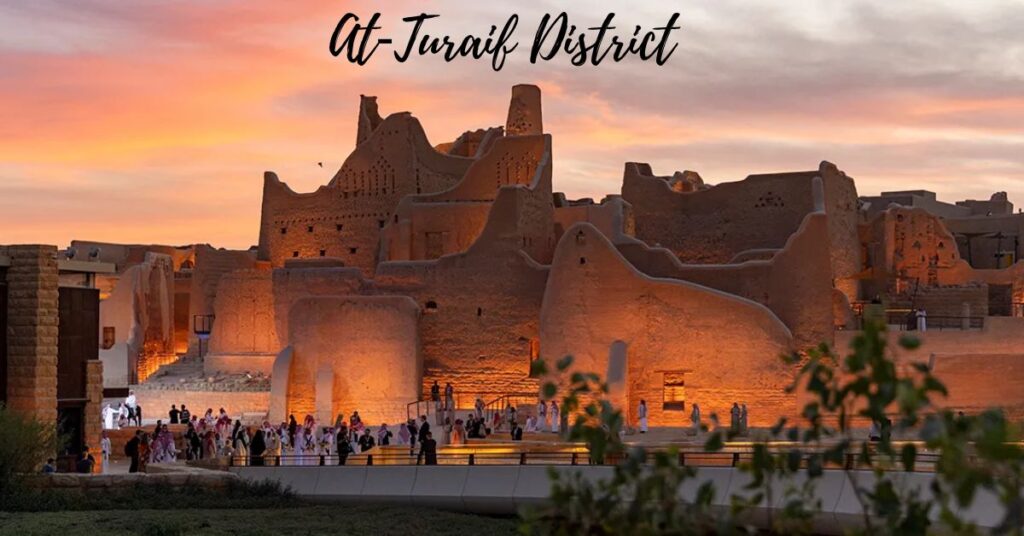
At‑Turaif in Diriyah, on the outskirts of Riyadh, was the original seat of the Saudi royal family and the capital of the first Saudi state in the 18th century. Recognized as a UNESCO World Heritage Site, its mud‑brick palaces, fortified walls, and narrow alleyways represent classic Najdi architecture and the political‑religious alliance that shaped modern Saudi Arabia.
Carefully planned restoration has turned At‑Turaif into a large open‑air heritage site that includes museums, interpretive trails, and nighttime light shows. The wider Diriyah development adds restaurants, cultural venues, and landscaped spaces, making it a key stop for visitors who want to understand the Kingdom’s origin story while enjoying a walkable, atmospheric historic district.
4. Historic Jeddah (Al‑Balad): gateway to Mecca
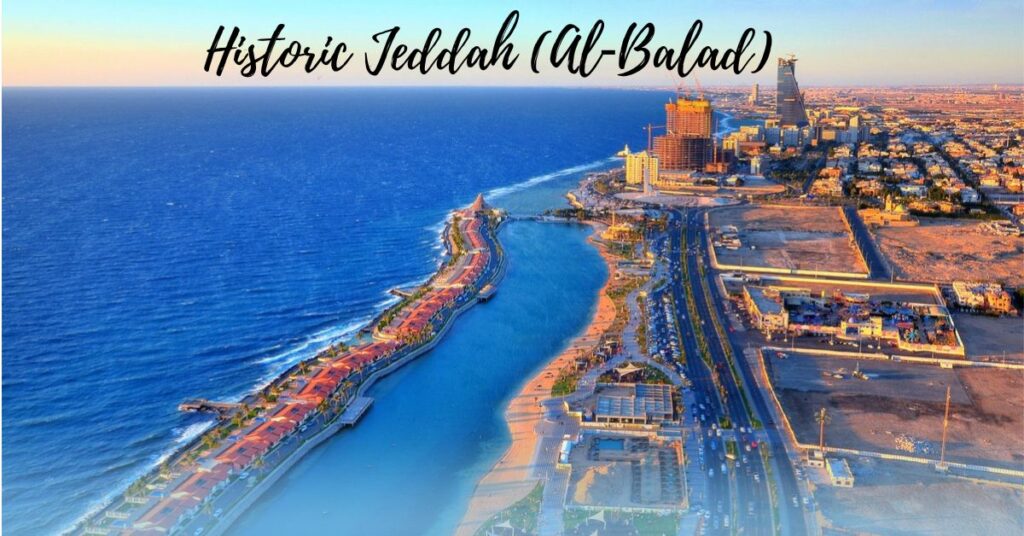
Historic Jeddah’s Al‑Balad district grew as the main Red Sea port for pilgrims and traders bound for Mecca and Medina, and its coral‑stone houses and wooden mashrabiya balconies reflect centuries of Indian Ocean and Hijazi influences. UNESCO status recognizes its role as the “Gateway to Mecca,” combining mercantile history with religious infrastructure that supported global pilgrimage routes.
Today, Al‑Balad is undergoing gradual revitalization, with restored merchant houses, art spaces, and guided walking tours that highlight spice markets, old mosques, and alleyways that still feel lived‑in rather than museum‑like. Evening visits—when the lanes light up and shops open—are especially popular with both residents and international travelers.
5. Al Masmak Fortress, Riyadh: symbol of unification
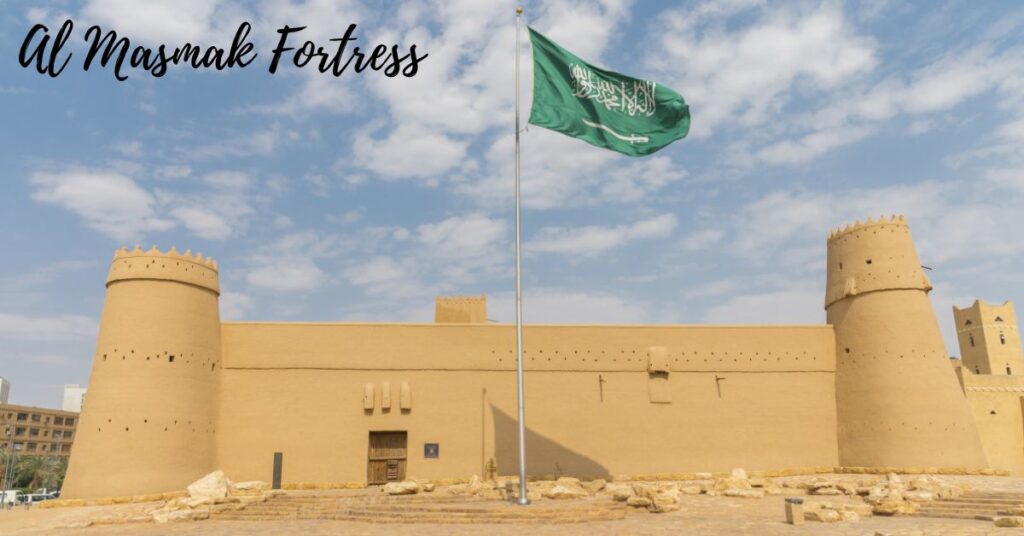
Al Masmak Fortress in central Riyadh is a thick‑walled mud‑brick stronghold tied to the 1902 Battle of Riyadh, when Abdulaziz Ibn Saud recaptured the city—a key step toward unifying the Kingdom. The fort’s squared layout, watchtowers, central courtyard, mosque, and well illustrate Najdi military architecture adapted to desert conditions.
Today the site functions as a museum that uses dioramas, artifacts, and multimedia to recount Riyadh’s transformation from fortified settlement to modern capital. Many heritage tours of Riyadh pair Al Masmak with nearby squares, markets, and mosques, reinforcing its reputation as a must‑see for visitors interested in political and cultural history as well as Instagram‑friendly architecture.

Which landmark is “most famous”?
Across guidebooks, tour platforms, and visitor rankings, Masjid al‑Haram and the Kaaba are consistently treated as Saudi Arabia’s most famous landmark because of their central role in Islam and immense global recognition. However, when focusing on non‑pilgrimage tourism, Al‑Hijr in AlUla and At‑Turaif in Diriyah often top lists of “must‑see” historical sites due to their UNESCO status and dramatic visual appeal.
For many travelers, an ideal Saudi itinerary combines at least one holy city experience (for eligible visitors) with time in AlUla, Diriyah, and Jeddah to see how religion, trade, and dynastic politics shaped the Kingdom’s landscapes and skylines. This blend delivers both the spiritual icon that defines Saudi Arabia worldwide and the heritage landmarks that anchor its emerging tourism identity.
Summary
Saudi Arabia’s landmark landscape is led by Masjid al‑Haram and the Kaaba, globally recognized as the spiritual heart of Islam and the country’s most famous site. Surrounding this core are four other icons—Al‑Hijr (Madain Salih), At‑Turaif in Diriyah, Historic Jeddah (Al‑Balad), and Al Masmak Fortress—that showcase Nabataean tombs, early Saudi statehood, Red Sea trade, and Riyadh’s unification story.
Together, these five landmarks illustrate how faith, archaeology, trade routes, and modern nation‑building intersect in Saudi Arabia’s evolving tourism narrative.
FAQs
Q1. What is considered the single most famous landmark in Saudi Arabia?
Masjid al‑Haram in Mecca, with the Kaaba at its center, is widely regarded as the most famous Saudi landmark due to its status as Islam’s holiest site and the destination of Hajj and Umrah.
Q2. Which Saudi landmarks are recognized by UNESCO?
Al‑Hijr (Madain Salih), At‑Turaif District in Diriyah, Historic Jeddah (Al‑Balad), rock art in the Hail region, and other sites are on UNESCO’s World Heritage list for Saudi Arabia.
Q3. What is special about Al‑Hijr (Madain Salih)?
Al‑Hijr preserves more than a hundred monumental rock‑cut Nabataean tombs, inscriptions, and ancient water systems, making it a major archaeological and visual highlight often compared to Petra.
Q4. Why is Diriyah important for visitors?
Diriyah’s At‑Turaif District is the cradle of the first Saudi state and has been restored as a large heritage complex with museums, walking routes, and cultural venues.
Q5. Is Historic Jeddah still a living neighborhood?
Yes, Al‑Balad remains a lived‑in district where restored coral‑stone houses, souqs, and mosques coexist with contemporary shops and cultural initiatives.
Q6. What does Al Masmak Fortress symbolize?
Al Masmak Fortress symbolizes the 1902 recapture of Riyadh by Abdulaziz Ibn Saud and is used today as a museum narrating the unification of the Kingdom.
Conclusion
Among Saudi Arabia’s many attractions, Masjid al‑Haram and the Kaaba stand out as the Kingdom’s most famous landmark, drawing unparalleled global attention and pilgrimage. Yet for travelers seeking a fuller picture of the country, pairing Mecca’s spiritual center with Al‑Hijr’s desert tombs, Diriyah’s early capital, Jeddah’s historic port, and Riyadh’s Al Masmak Fortress creates a rich, multi‑layered journey through religion, heritage, and statehood.
Follow Us Now : Facebook, Instagram
You May Also Like : Taj Mahal Tour by Gatimaan Express, Best travel Agency in Agra, Taj Mahal Sunrise Tour from Delhi by Car

